

Iida City, Nagano Prefecture
Iida Yakiniku
A pioneering meat-eating region
from offal to Wagyu—
truly a “Yakiniku Department Store”
About Iida Yakiniku
In Iida City, Nagano Prefecture—the sacred land of yakiniku in Shinshu—a culture of eating beef has taken root since the Meiji era. The people have long practiced using every part of the livestock that once supported farming and the textile industry. During the early Showa period, the sheep industry flourished, and with it, the culture of lamb yakiniku spread. At home, it was common to enjoy yakiniku using special pans for jingisukan or flat iron plates. However, because of the strong aroma and smoke, the custom of enjoying yakiniku outdoors gradually became established. Although the sheep industry itself has since disappeared, the tradition of eating lamb remains alive in Iida’s yakiniku culture today.
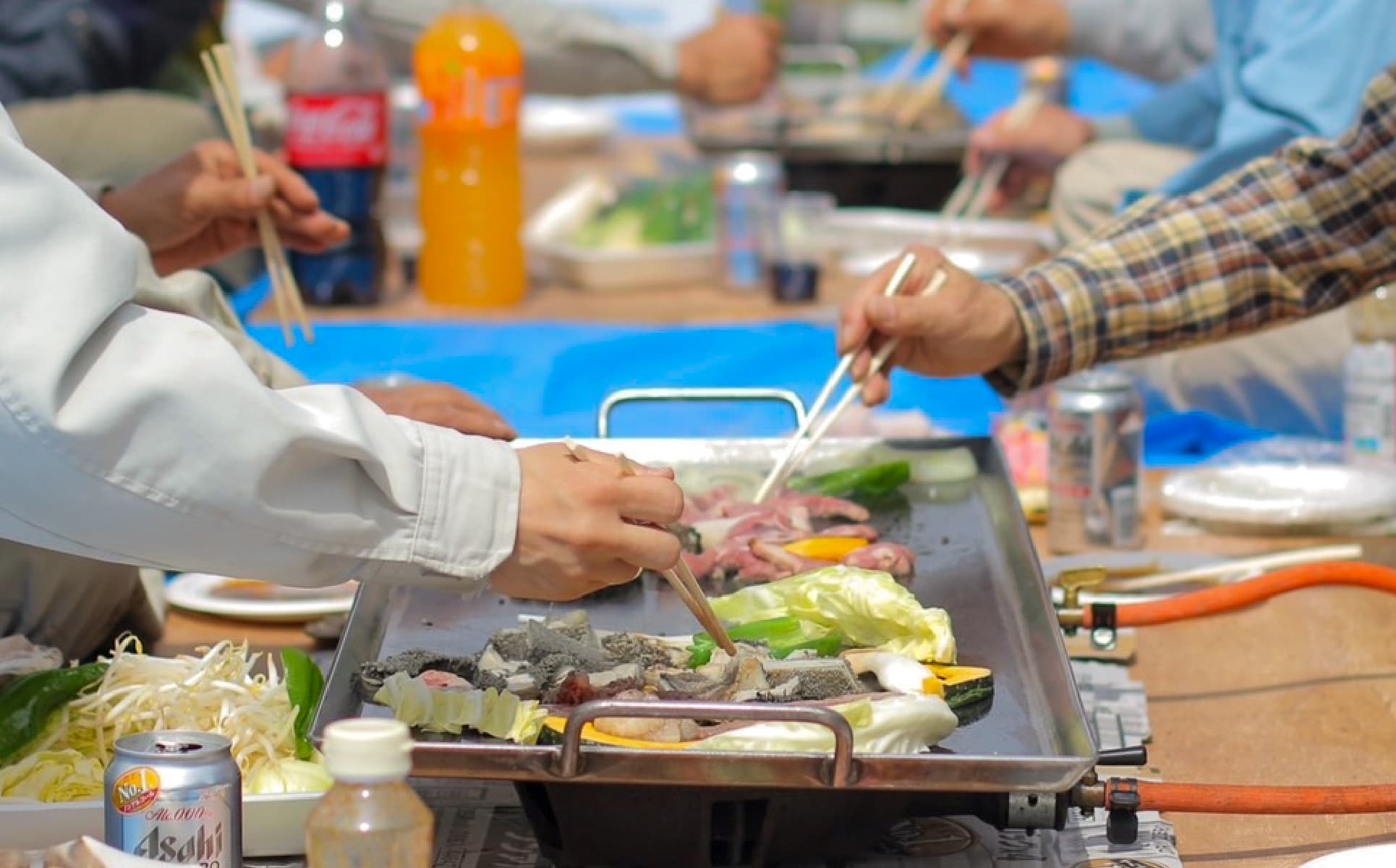
Moreover, Iida’s yakiniku culture has developed under the spirit of treating all parts of the animal—whether beef, pork, or lamb, meat or offal—with care and respect, ensuring nothing goes to waste and everything is enjoyed. It’s truly a “yakiniku department store” of beef, pork, and lamb. The signature flavor comes from a special soy sauce–based marinade, enriched with garlic and chili peppers and aged to perfection. This matured sauce, inherited from the Showa era when Iida’s yakiniku culture first began, enhances every cut of meat, wrapping each piece in deep, savory richness.
In this way, Iida City’s yakiniku culture is defined by three key elements: the locally rooted tradition of lamb yakiniku, the heartfelt practice of savoring even the offal, and the distinctive aged soy sauce marinade. Together, they form a unique culinary culture deeply embedded in the lives of Iida’s citizens. Be sure to experience and savor the one-of-a-kind yakiniku of Iida for yourself.


The Spark Began
with Lamb Yakiniku
The rapid rise of Iida’s yakiniku culture began with lamb yakiniku, born from the city’s once-flourishing sheep industry. At the time, the mainstay was the traditional jingisukan dish.
A “Yakiniku Department Store”
of Beef, Pork, and Lamb
Located inland, Iida has long relied on animals for both agriculture and transport. At its core lies a culture of valuing every part of the animal—where all kinds of meat, including offal, are cherished and enjoyed with care.
With a rich,
aged soy sauce marinade
In Iida, the standard is a soy sauce–based marinade that’s slowly aged to perfection—bringing out the best flavor in every cut of meat.



Mutton
No.1 Mutton
In Iida, where a deep respect for meat has long been part of the local culture, the rise of the sheep industry in the early Showa period led to the establishment of a yakiniku tradition centered on lamb and mutton. At the time, families enjoyed yakiniku at home using jingisukan pans and charcoal grills. However, according to one account, the strong aroma and smoke were not exactly welcomed by housewives—so before long, people began grilling their meat outdoors instead. Though the sheep industry has since disappeared, the culture of eating mutton remains firmly rooted in Iida today.

Kuro-motsu
(Black Offal)
No.2 Kuro-motsu (Black Offal)
No.2
Kuro-motsu (Black Offal)
Among the cow’s four stomachs, the first one—minō—is the source of this unique delicacy known as kuro-minō. After the firmer, premium portion (jō-minō) is removed, the remaining section, still with its outer skin attached, is grilled and enjoyed as kuro-minō. The idea spread from the simple desire not to waste any part—but the real reason it became beloved is, quite simply, because it’s delicious.
When the skin side is grilled, it turns crisp and crackly, while the inner meat stays soft and fluffy. Dip it into a rich tare after cooking, and the contrast of textures and deep flavor combine to create an unforgettable experience.
Minami-Shinshu
Beef
No.3 Minami-Shinshu Beef
No.3
Minami-Shinshu Beef
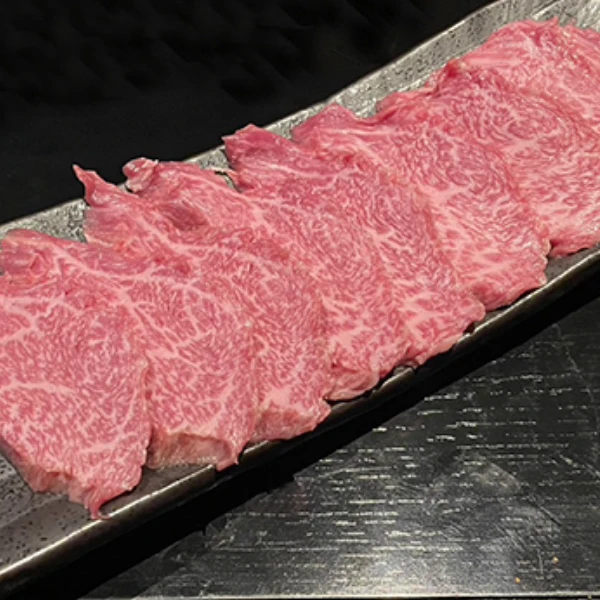
In 1934, black-haired wagyu cattle were brought from Hyogo Prefecture, marking the origin of what would become Minami-Shinshu Beef. These cattle served multiple purposes—they worked as draft animals in the fields, bore calves, and, in the end, provided exceptional meat—allowing wagyu breeding to take root and form the foundation of today’s Minami-Shinshu Beef.
Hyogo, home to the famed Tajima-gyu, is often considered the birthplace and pinnacle of Japanese wagyu. Minami-Shinshu Beef inherits this distinguished bloodline, and its quality is exceptionally high, with many cuts earning the prestigious “Kyoto Meat Market Special Selection” certification.
Though it’s a rare luxury to encounter, when you do, don’t hesitate—it’s a masterpiece worth savoring.

Aged sauce
No.4 Aged sauce
Iida’s yakiniku sauce is a soy sauce–based marinade accented with garlic and chili peppers, aged slowly to create a deep, harmonious flavor. This matured sauce coats every cut of meat beautifully, enhancing the taste and richness of Iida’s diverse yakiniku selections.
In fact, this tradition dates back to the early days of jingisukan, the origin of Iida’s yakiniku culture. Each restaurant takes pride in crafting its own version of this special sauce, carrying on a long-standing local custom of enjoying yakiniku with one’s unique, house-made tare.
Otaguri
No.5 Otaguri
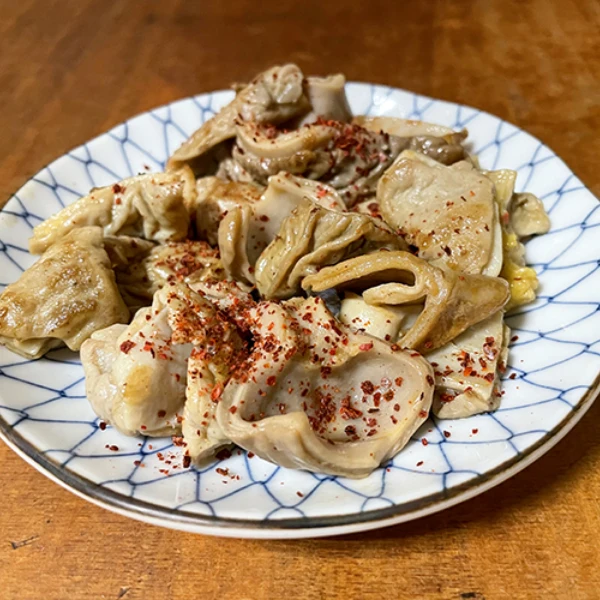
For the farmers of the mountainous regions, draft horses were once indispensable partners in agriculture. From a deep respect for their lives came a dish that used every part without waste—the simmered horse offal known as otaguri.
At the restaurant where it originated, the name otaguri was said to come from the process of preparing horse intestines, during which the cook would “hand-pull” the intestines while cleaning them—a motion described by the word taguru (to pull by hand).
This dish embodies one of humanity’s most essential values: gratitude for life and for the sustenance it provides. It is this spirit that underlies Iida’s renowned yakiniku culture. Today, otaguri remains so integral to Iida’s food culture that some locals even refer to offal simply as “ota,” a testament to how deeply otaguri has influenced Iida’s style of yakiniku.